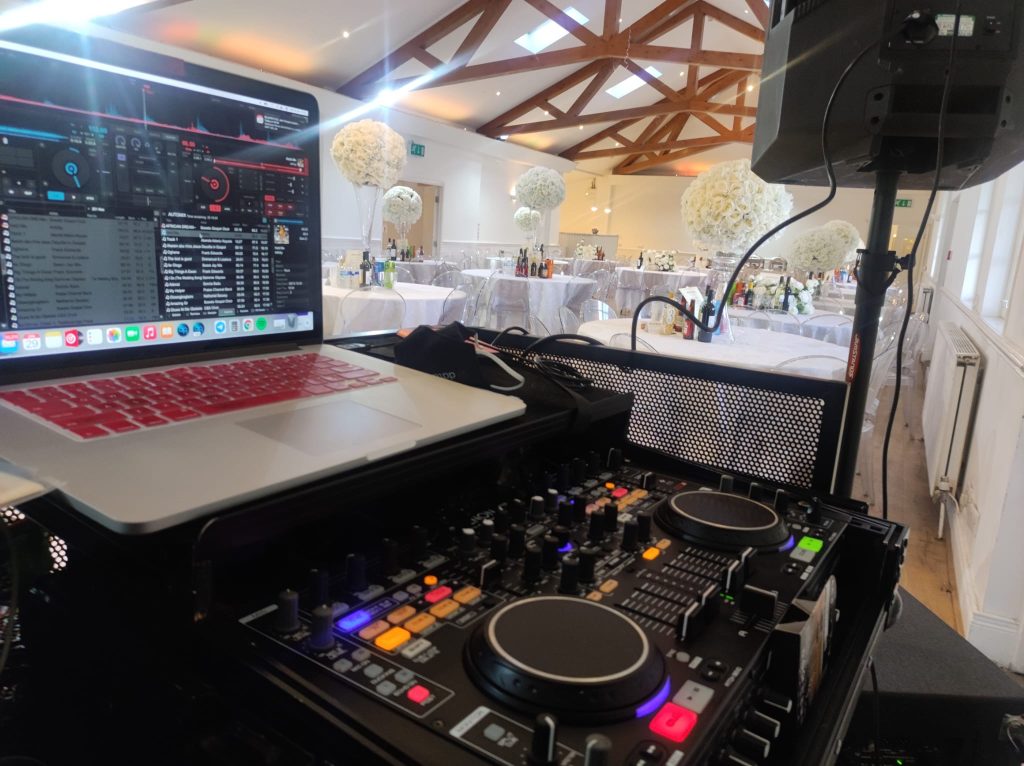
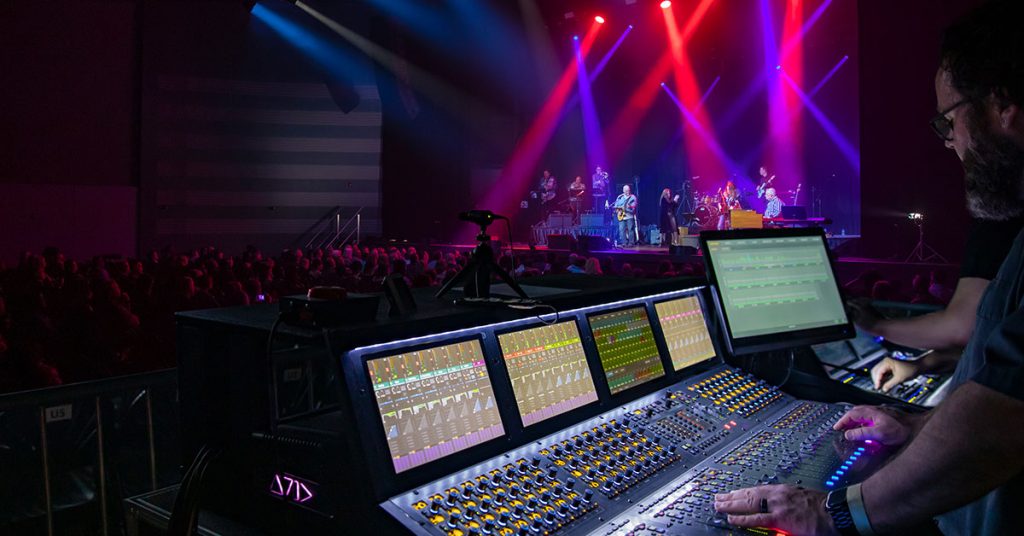
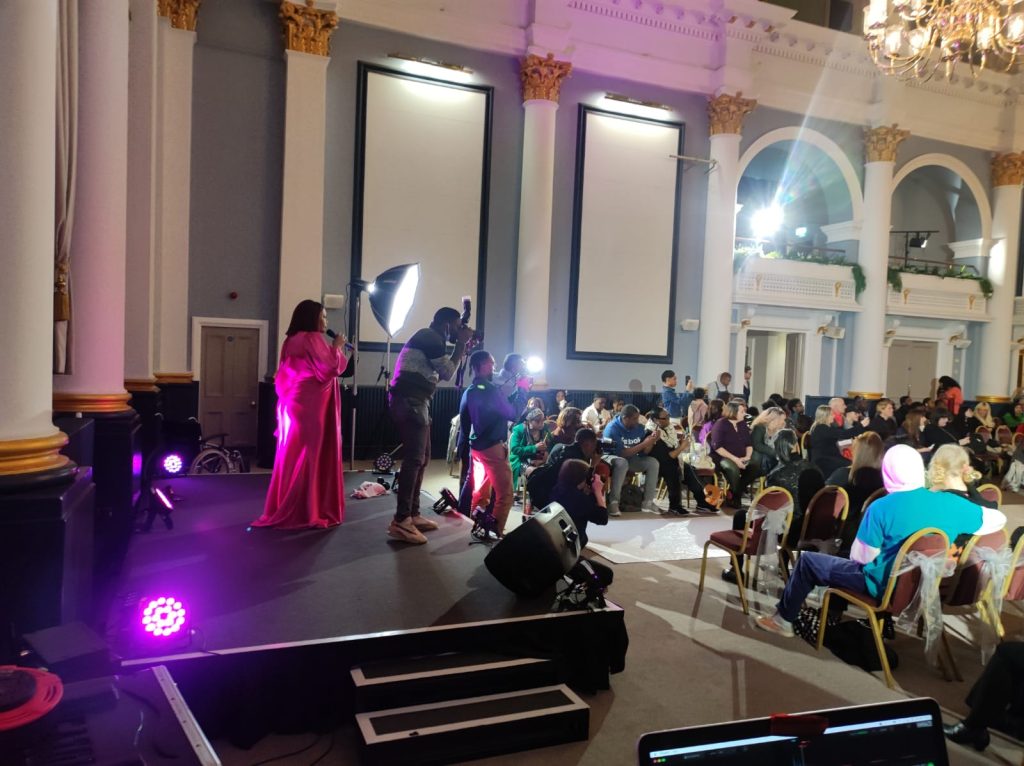
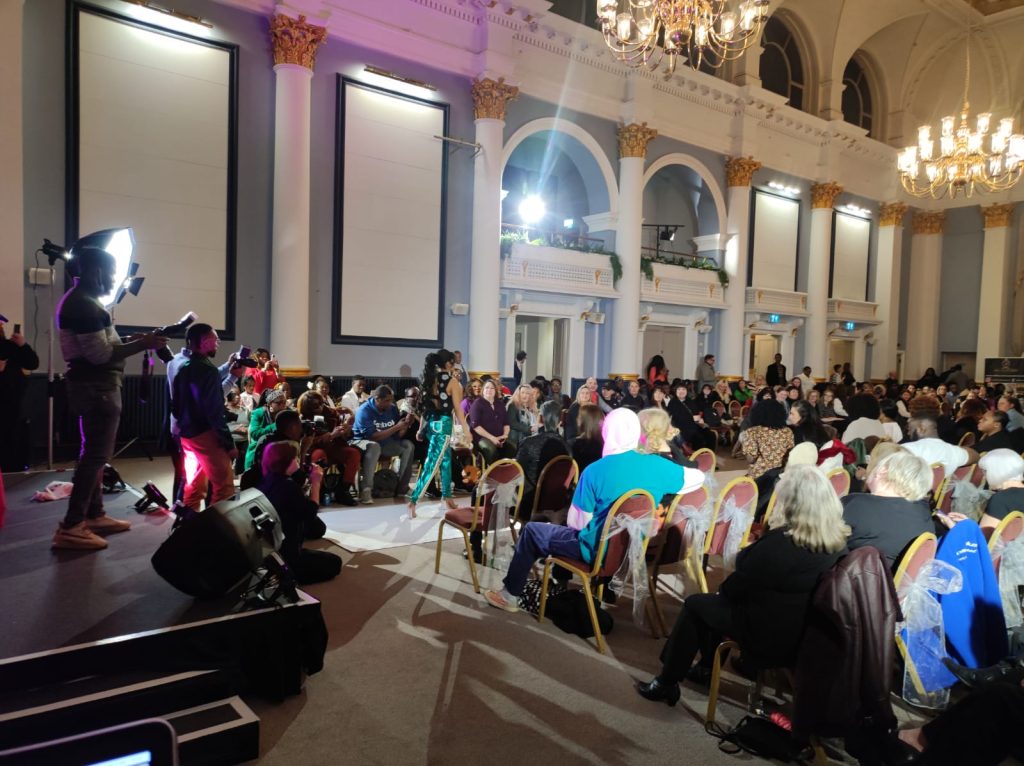
When you stage a performance, identify the purpose of your work and the target audience. Choose a suitable style and stage layout. Remember that rehearsals allow you to fine tune your piece.
DIGITAL VS ANALOG RECORDING PROCESSES
No matter which recording process used, analog or digital, both are created by a microphone turning air pressure (sound) into an electrical analog signal.
An analog recording is made by then imprinting that signal directly onto the master tape (via magnetization) or master record (via grooves) – from which copies can be made into cassette tapes and vinyl records.
Digital recordings take that analog signal and convert it into a digital representation of the sound, which is essentially a series of numbers for digital software to interpret.
After the analog signal is digitalized, the recording can be copied and placed onto a compact disc, hard drive, or streamed online.
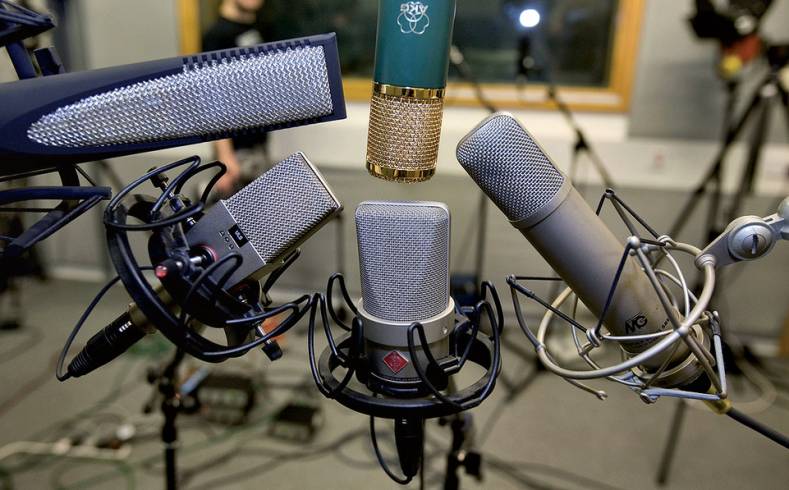
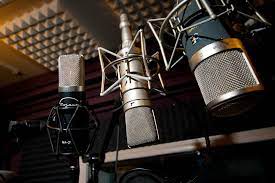
In the recording studio, choosing the right microphone to capture an instrument or vocal is a key to creating a high-quality recording. At the same time, microphone selection is a subjective thing because there may be more than one “right answer.” In fact, this decision is a huge part of how audio engineers come up with their “signature” sound in the studio, which is why every engineer approaches the process a little differently, and why each one has different preferences when it comes to microphone selection and placement.
Because this is such a nuanced part of the recording process, it’s not a simple thing to tell you which microphone to use in a particular situation. All we can do here is tell you what is commonly used; your mentor may have techniques and ideas that vary a bit from what we say here. The key is to choosing the right microphone is to find out for yourself the microphones that work best in certain situations, and this comes mostly through practice and by watching your mentor. Even so, the following overview should give you an idea of the kinds of microphones you’re likely to find in the studio, and how they’re most commonly used.
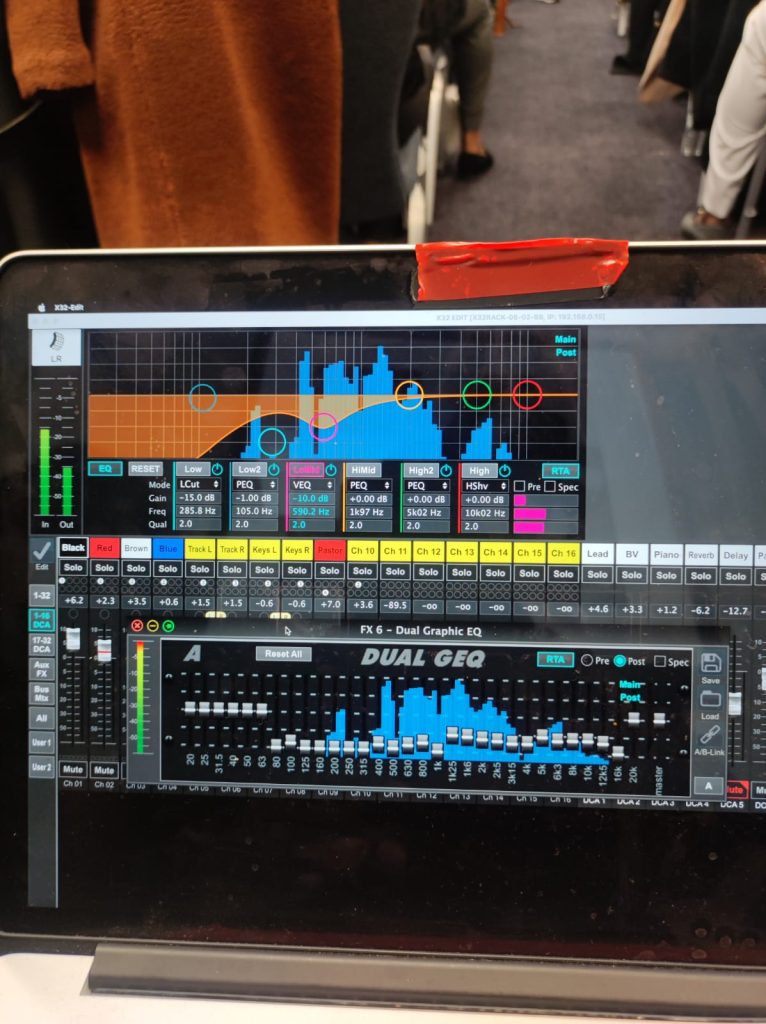
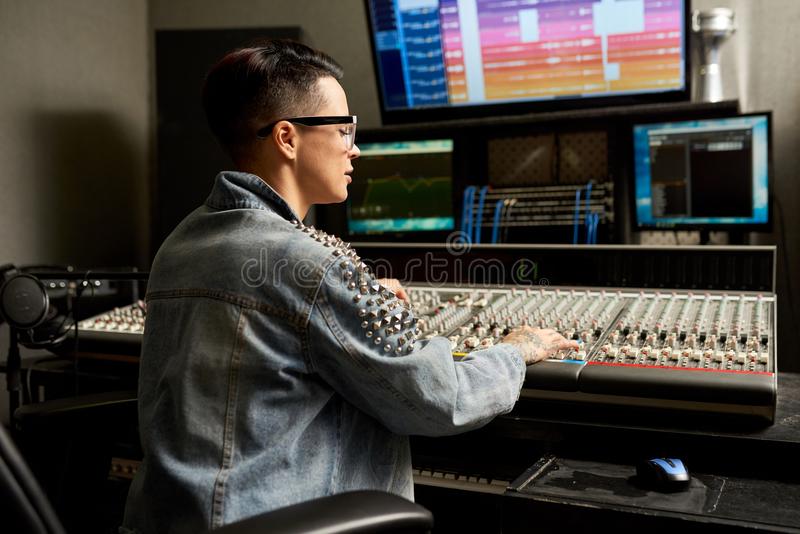
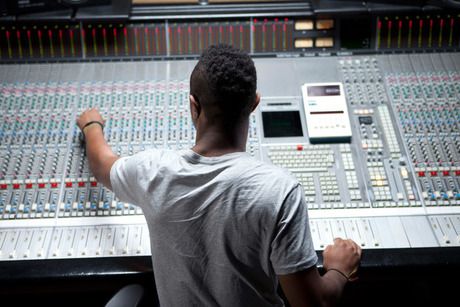
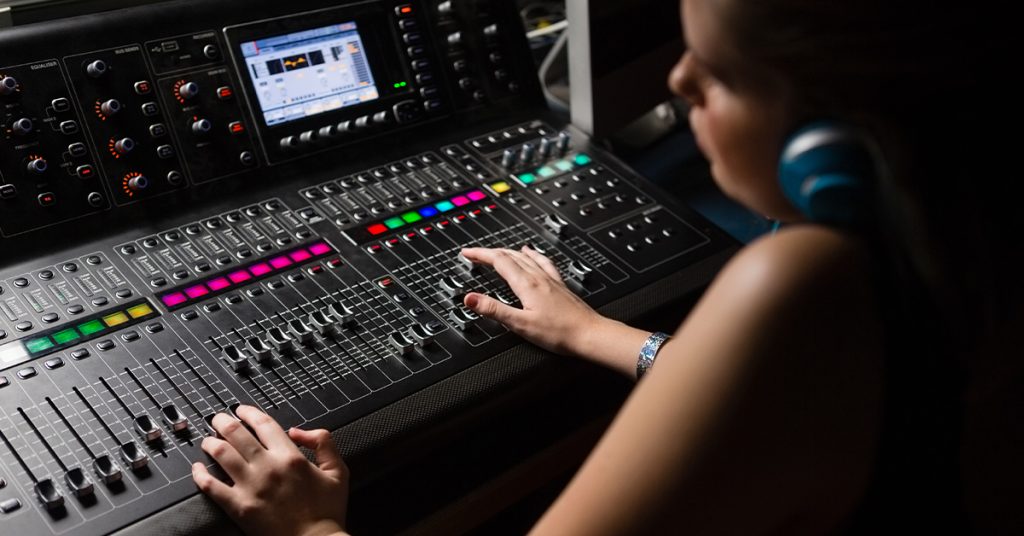
There has been little research about how ergonomics on different work surfaces impacts the
way mix-engineers base their decisions in a mix - like choosing a specific parameter setting on
a control, ex. Equalizer. Most research point more to the facts of how interfaces are designed
and how the visual content affects our aural activities, rather than the use of gestures. While
some engineers prefer working hands on with knobs, filter and sliders etc. and others with a
mouse, ‘point and click’, there are no distinct evidence in how gestures typically impact the
decisions and results of a mix. The aim/goal for this study is to further explore how work
surface ergonomics impact mixing decisions and what differences in approach and results come
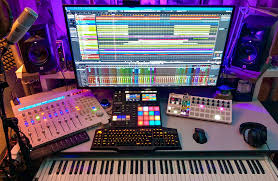
from mixing on two different domains – a physical console with knobs and faders vs. a GUI
design that emulates this console. A
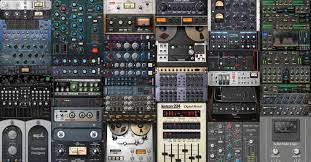
Audio effects are hardware or software devices that manipulate how an audio signal sounds. Effects can be controlled via various parameters including rate, feedback or drive. They are useful when playing live or as studio tools while recording or mixing music.
This article explains all the core effects:
Modulation effects—Chorus, Tremolo, Flanger and Phaser
Time-based effects—Reverb, Delay and Echo
Spectral effects—EQ and Panning
Dynamic effects—Compression and Distortion
Filters
From FOH to Live Stream Mixing: Getting It Right with Playlist Rider
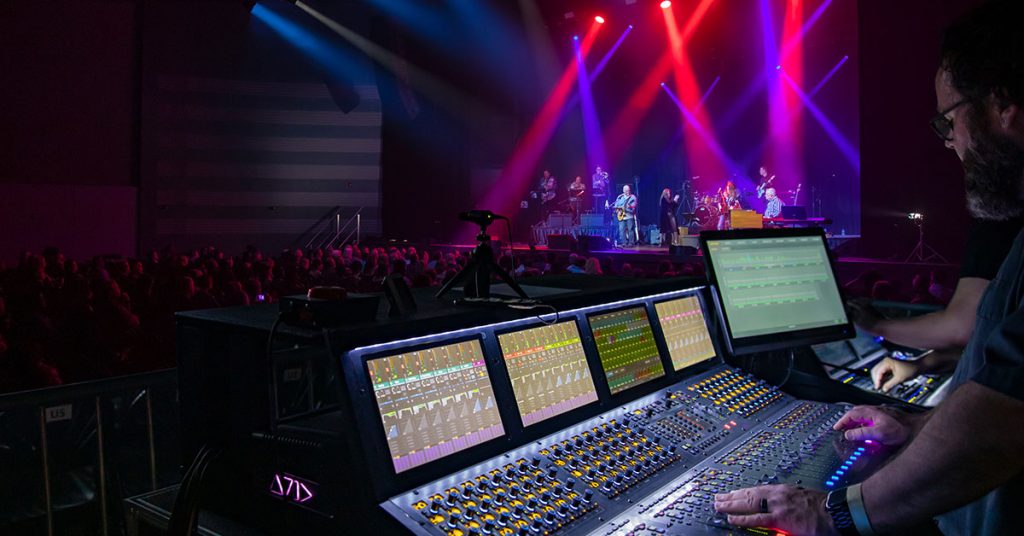
Translating an FOH mix to a live stream or broadcast mix may seem like a simple conversion task. However, many problems can arise including loudness, dynamic range, overall tonality and consistency. Learn how Waves Playlist Rider can remedy these issues.
By David Stagl
From FOH to Live Stream Mixing: Getting It Right with Playlist Rider
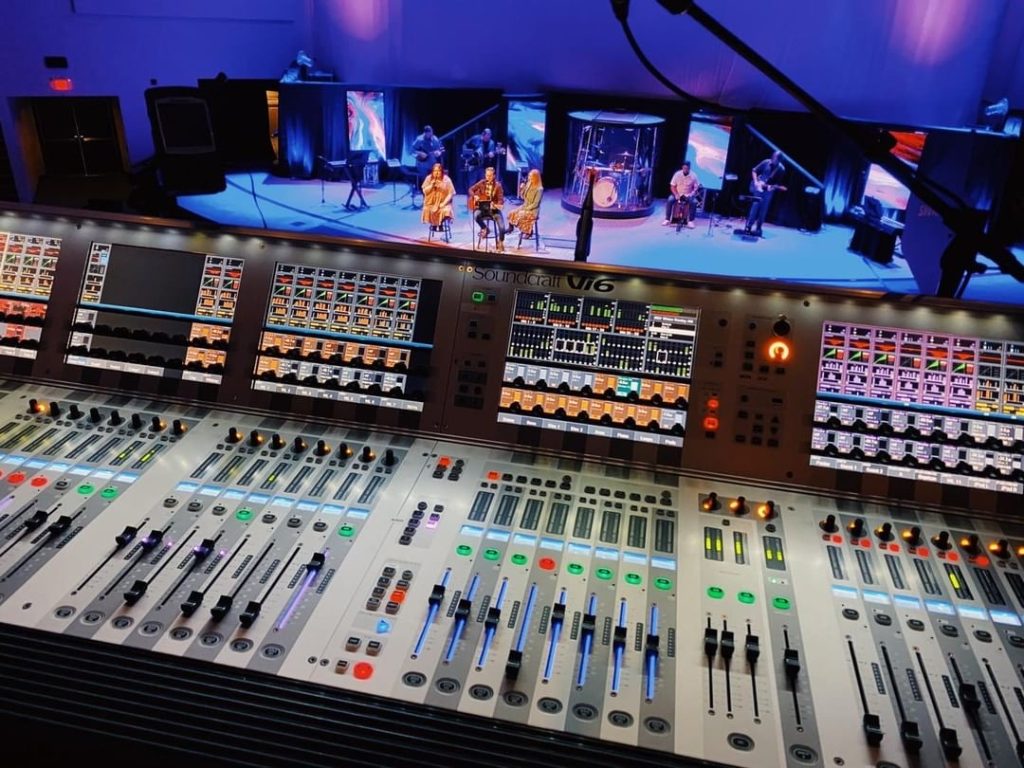
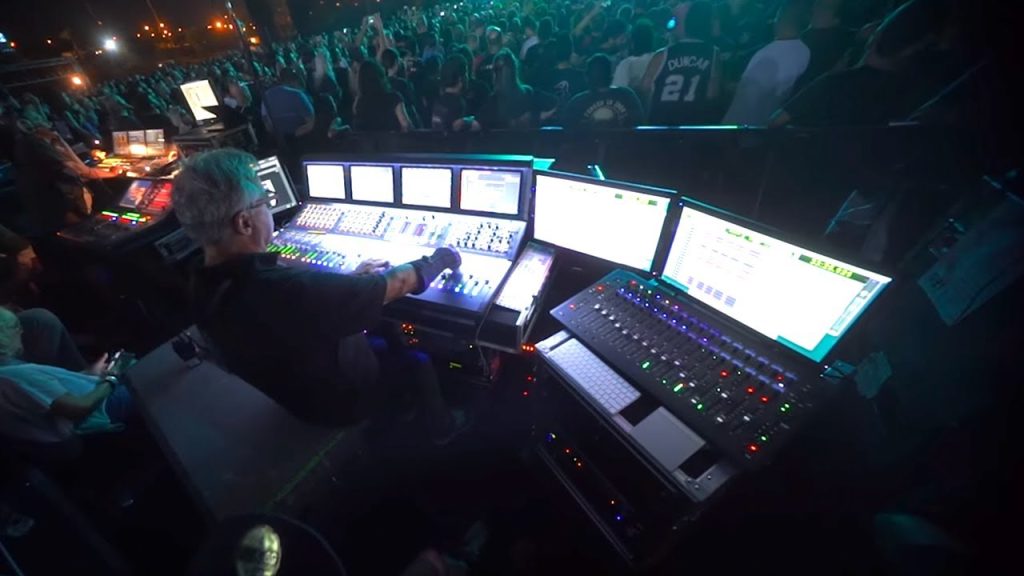
Those of us working in houses of worship today know that more and more church services are being live streamed these days. The primary source for the stream mix is typically the FOH mix. The problem is that the dynamic range of a Sunday service is often far greater in the room than what is acceptable for a live stream or broadcast
OneRudiment GiveAwayGet 50% off at Next Training Session
Get 50% off at Next Training Session in January 2023. Perform all the actions asked to do in the giveaway and win the global opportunity. Learn like a Pro!